
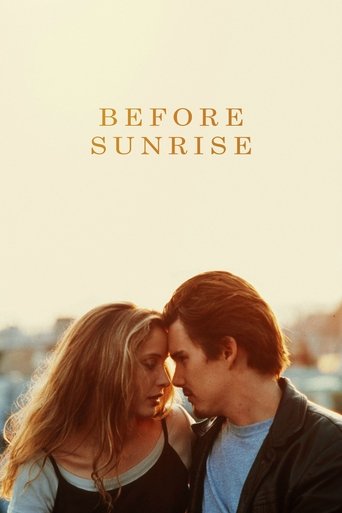
 ★ 8.0Before Sunrise1995 · Drama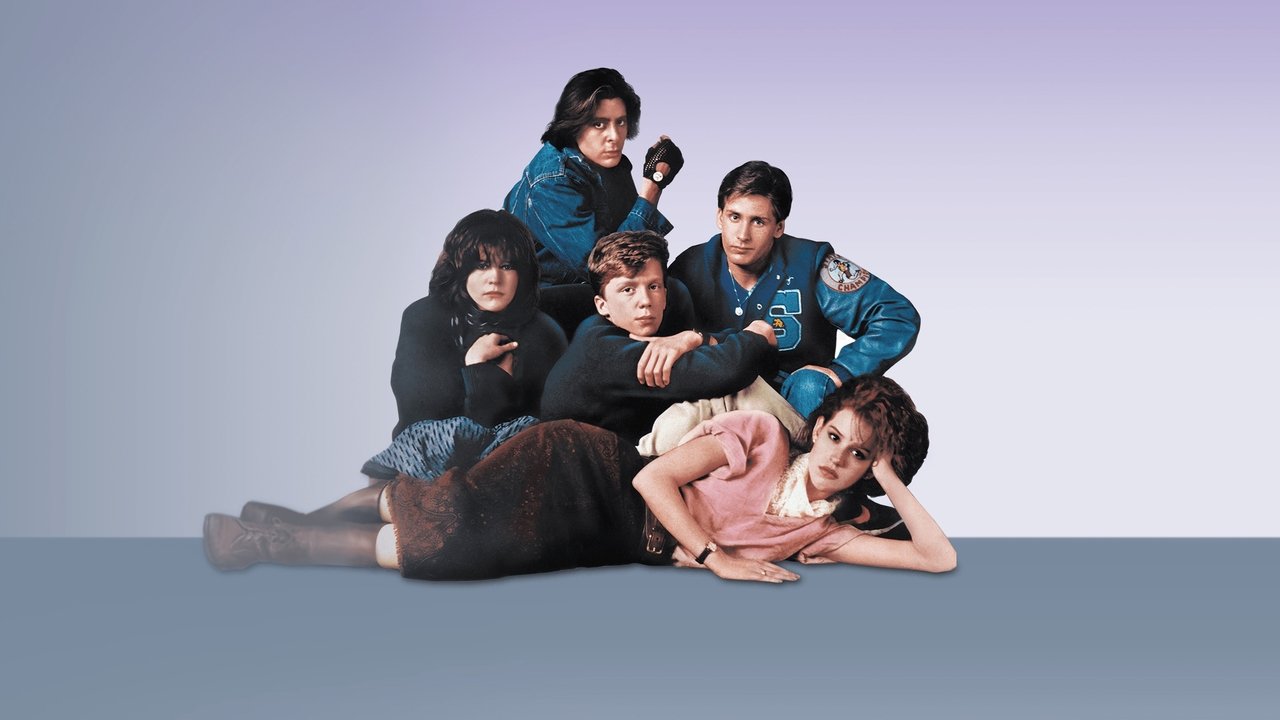
1985 · ★ 7.7 · Comedy · Drama
The Breakfast Club
Five high school students from different walks of life endure a Saturday detention under a power-hungry principal. The disparate group includes rebel John, princess Claire, outcast Allison,…
DetailsBingeBang
176 English-language films, 1971 to 2026, chosen for the whole household.
Trending Movies
The films everyone opens first
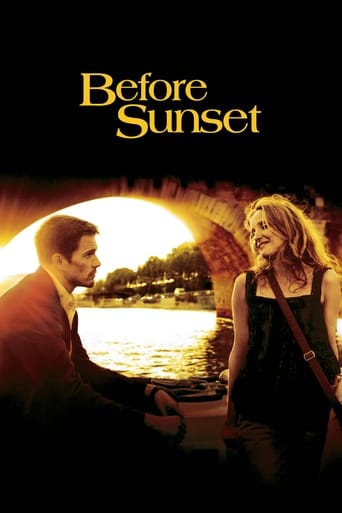 ★ 7.8
★ 7.8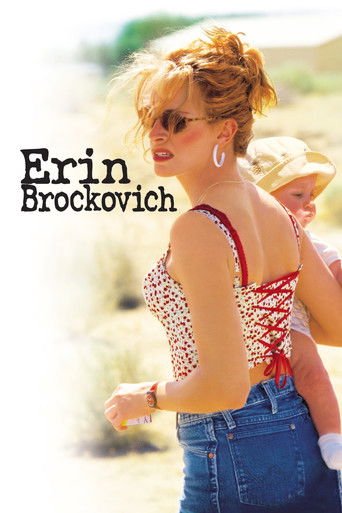 ★ 7.4
★ 7.4 ★ 7.1
★ 7.1 ★ 6.9
★ 6.9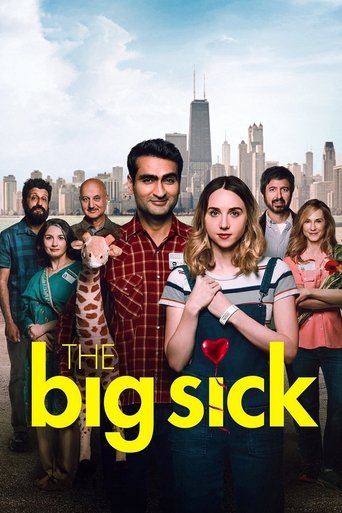 ★ 7.3
★ 7.3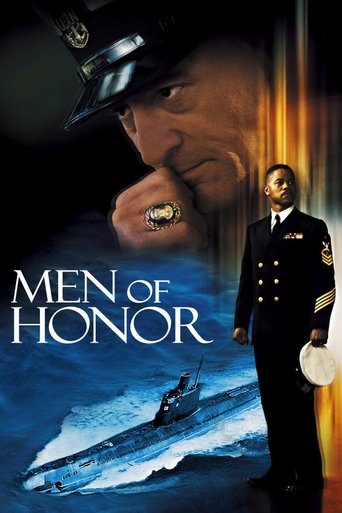 ★ 7.5
★ 7.5New Releases
Fresh and just added
 ★ 7.0
★ 7.0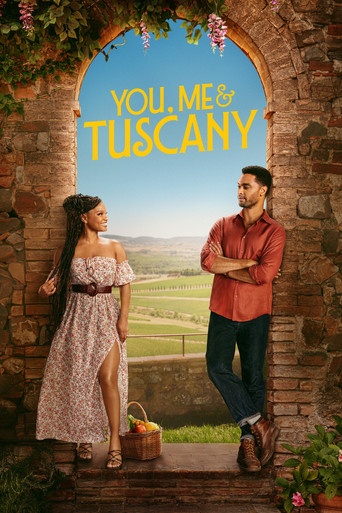 ★ 7.3
★ 7.3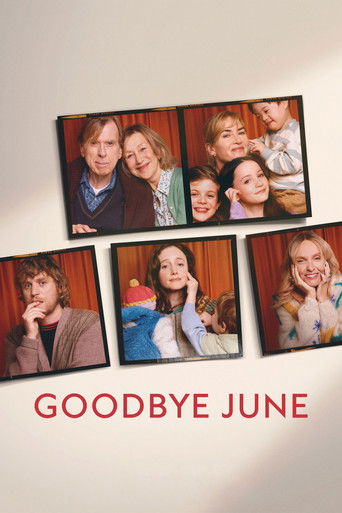 ★ 6.5
★ 6.5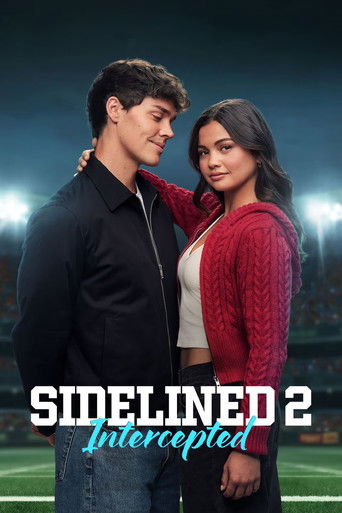 ★ 7.1
★ 7.1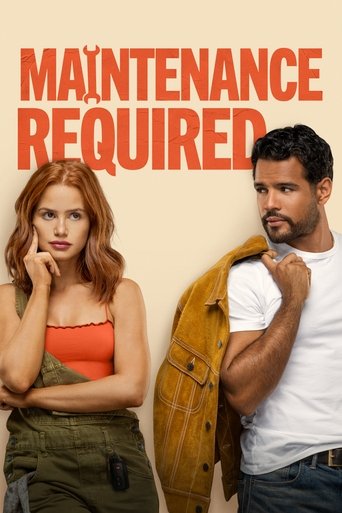 ★ 6.1
★ 6.1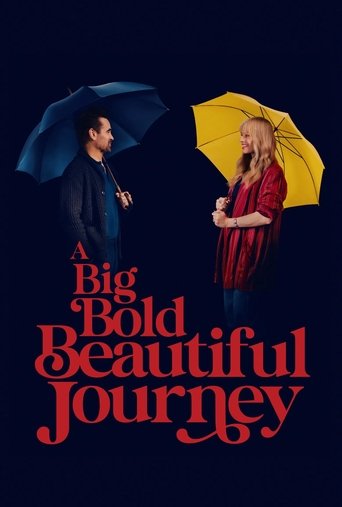 ★ 6.1
★ 6.1 ★ 7.4
★ 7.4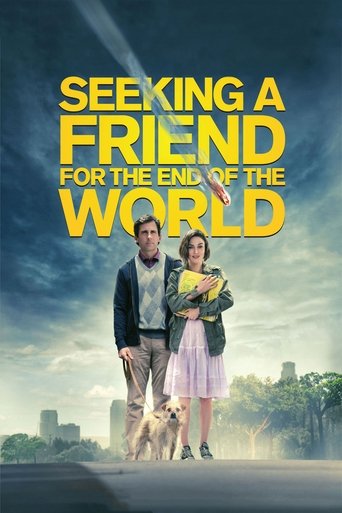 ★ 6.6
★ 6.6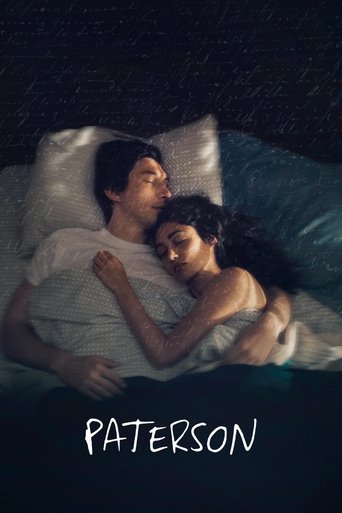 ★ 7.1
★ 7.1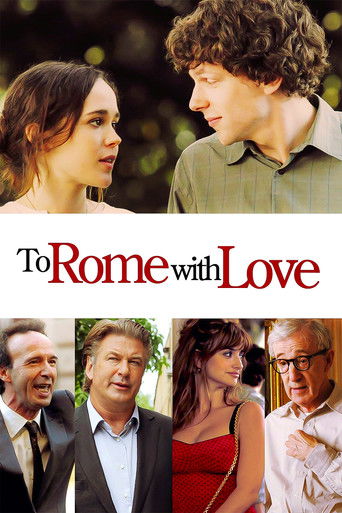 ★ 5.8
★ 5.8 ★ 7.3
★ 7.3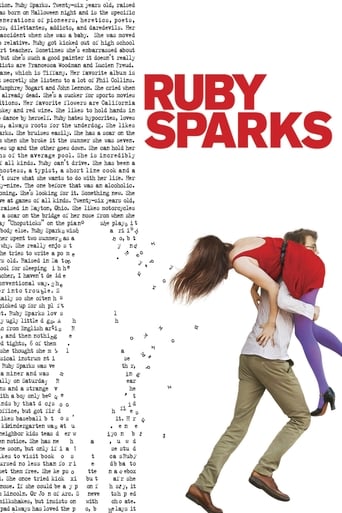 ★ 7.1
★ 7.1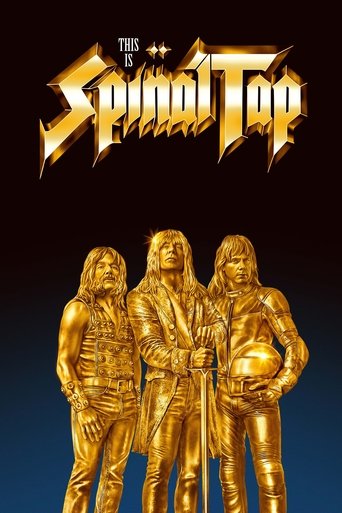 ★ 7.4
★ 7.4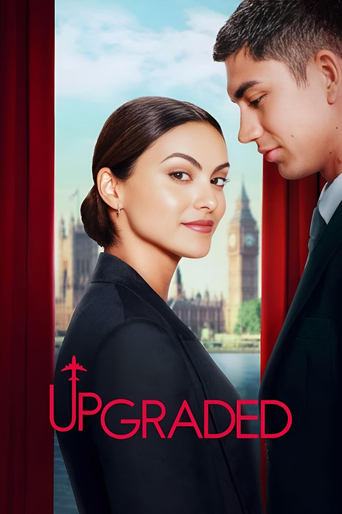 ★ 7.2
★ 7.2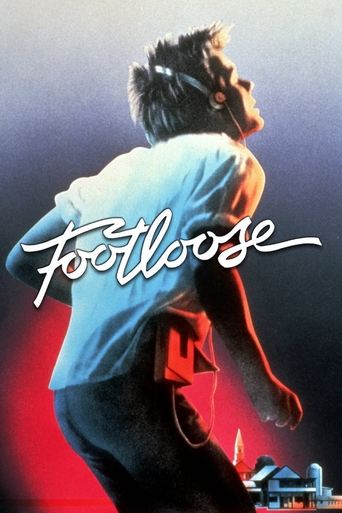 ★ 6.7
★ 6.7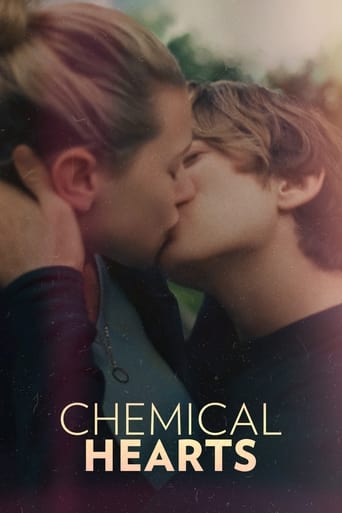 ★ 7.3
★ 7.3 ★ 6.5
★ 6.5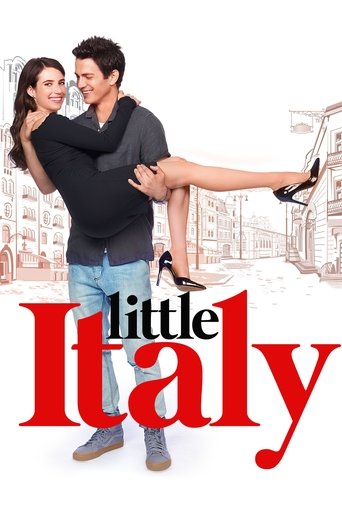 ★ 6.6
★ 6.6 ★ 6.0
★ 6.0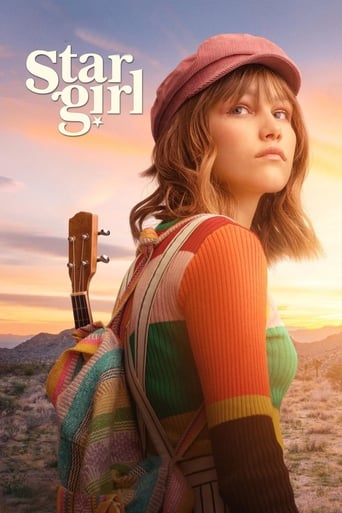 ★ 7.4
★ 7.4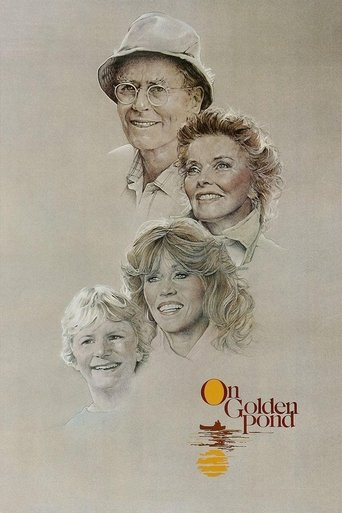 ★ 7.3
★ 7.3 ★ 8.1
★ 8.1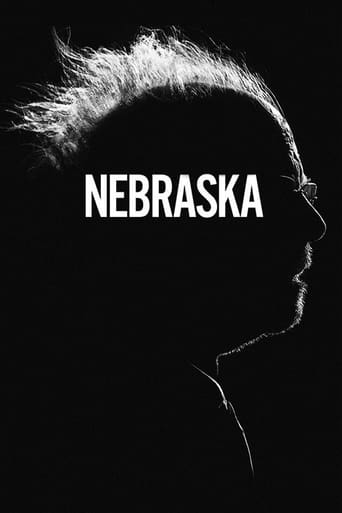 ★ 7.4
★ 7.4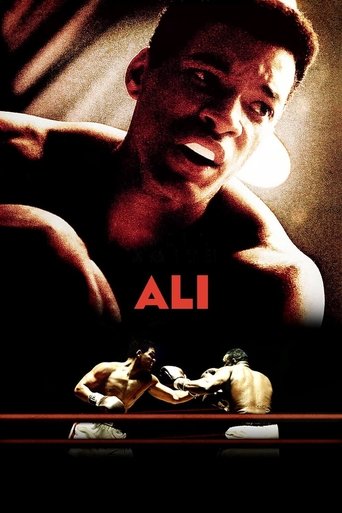 ★ 6.7
★ 6.7 ★ 7.9
★ 7.9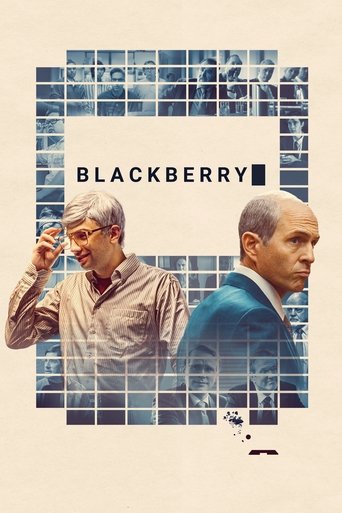 ★ 7.2
★ 7.2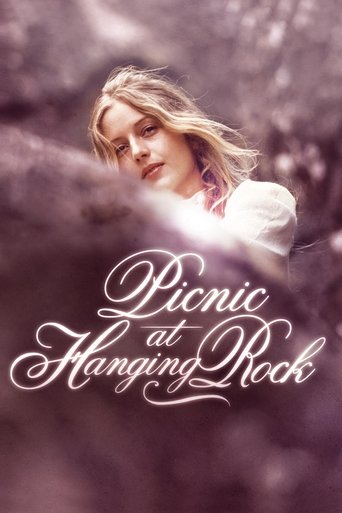 ★ 7.2
★ 7.2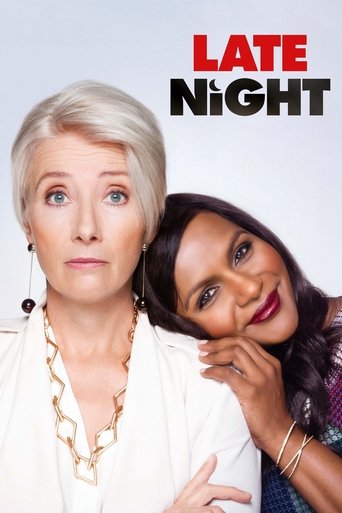 ★ 6.4
★ 6.4You Might Like
The highest-rated films in the guide
 ★ 7.6
★ 7.6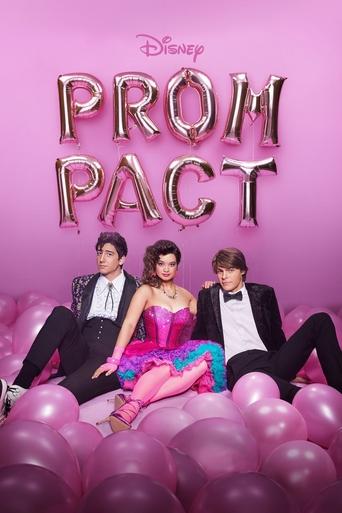 ★ 7.2
★ 7.2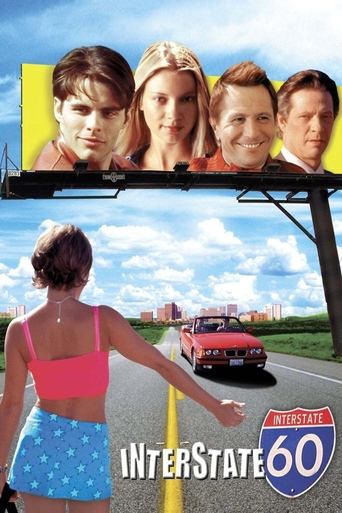 ★ 7.4
★ 7.4 ★ 7.3
★ 7.3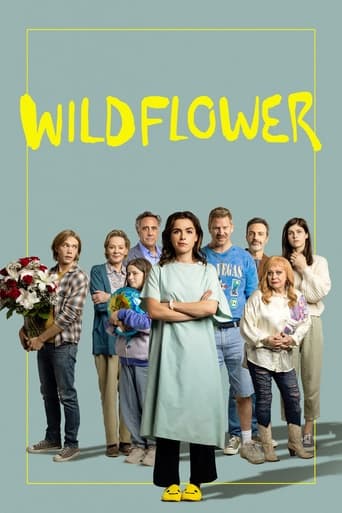 ★ 7.4
★ 7.4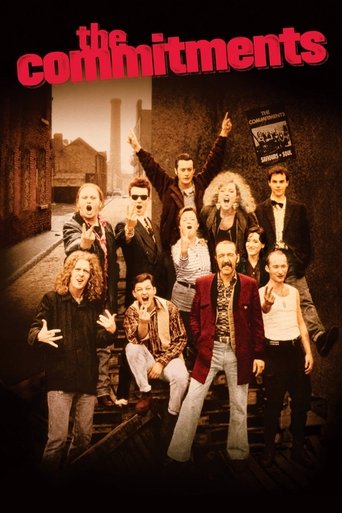 ★ 7.3
★ 7.3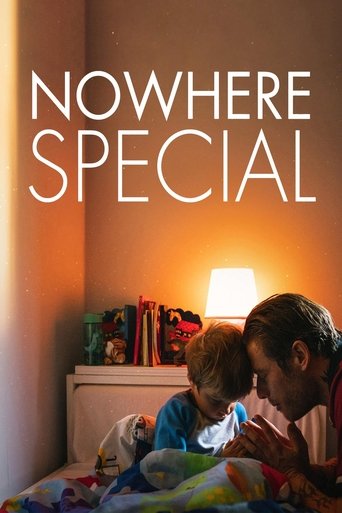 ★ 7.2
★ 7.2Films for the whole household: the BingeBang guide
BingeBang: films to watch tonight, from The Breakfast Club, Before Sunrise and Erin Brockovich to Chef, Paterson and The Boy Who Harnessed the Wind
Most evenings call for a particular kind of film: one that asks for good company and a comfortable chair, and gives back a story about people worth knowing. BingeBang is a guide to 176 of them, all in English, made between 1971 and 2026. There are comedies about kitchens and rock bands, love stories told in a single night, musicals from Dublin and Broadway, true stories of inventors and teachers, and a good many films about growing up. Each has its own page, its story, its director and cast, and a Watch now button that leads to the official services carrying it in your country.
The catalogue has been chosen for the whole household. Every film was read through by hand, and the selection favours comedy, romance, music, family stories and quiet drama. Crime thrillers, horror, films of the battlefield and comedies made strictly for adults were left out. A number of the films were made for television, where the gentle romance and the family film have found a second home, and they sit here beside the films made for the cinema.
The numbers give a first idea of the shape. Ninety-seven of the films are comedies, ninety are romances and one hundred and sixteen are dramas of one kind or another; many are two of these at once. Seventy turn on a family, forty-four on school and youth, thirty-nine on music and seventeen on sport, and twenty-four are drawn from real lives. Thirty-eight were made before 2000 and eighty-one have appeared since 2015. Thirty-three carry a score of 7.2 or higher from the viewers of TMDB.
A first-time visitor can begin with any of six films. The Breakfast Club shuts five teenagers in a school library for a Saturday and lets them talk. Before Sunrise follows two strangers through one night in Vienna. Erin Brockovich is the true story of a legal clerk who took on a power company. Chef sends a cook across America in a food truck. Paterson spends a week with a bus driver who writes poems, and The Boy Who Harnessed the Wind tells how a schoolboy in Malawi built a windmill to save his village.
How the collection is arranged
BingeBang keeps a frosted header that stays at the top of the screen, with its violet and white logo at the left, a menu beside it and, at the right, a rounded search field and a My Space button. The home page opens with a tall film still; the title sits over its lower left corner with the year, the score and a few lines of the story, and a button with a violet gradient opens the film. Beneath it run the rows: Trending Movies, New Releases, Comedy, Romance, Drama and You Might Like. Each row has a large heading with a small grey line under it, a round arrow that opens the full list, and seven rounded posters with the title, the year and the kind of film under each.
The lists are the main way through the catalogue. Comedy, Romance, Drama and Family sort the films by kind. Music gathers the singers, bands and dancers, True stories the films drawn from life, School and youth the classrooms and proms, Sport the rings and rinks, and The fantastic the handful of films with an angel or a time machine in them. Classics holds everything made before 2000, three lists divide the later films by year, and Top rated has the thirty-three with the strongest scores.
A film page on BingeBang is laid out the same way every time. At the top are the poster, the title and a row of small labels for the year, the length and the score. The story comes next, then the names of the director and the principal actors. Below them is the country selector with the Watch now button, and BingeBang remembers the country you pick. One press opens JustWatch, which lists the services that stream, rent or sell the film in that country.
Comedy
The comedies on BingeBang are of the warmer kind. Chef (2014), written and directed by Jon Favreau, who also plays the lead, is the one to start with. Carl Casper is the head cook of a fashionable Los Angeles restaurant whose owner wants the same menu every night; after a public quarrel with a critic he walks out, buys a battered food truck in Miami and drives it home across the country with his young son and his best friend on board, selling Cuban sandwiches at every stop. It is a film about work done for love, about a father learning to pay attention, and about food, which is photographed so well that it is unwise to watch on an empty stomach.
The mock documentary is a comic form that this catalogue is rich in. This Is Spinal Tap (1984), directed by Rob Reiner, follows a British rock group of declining fame on a tour of America, where the halls grow smaller and the stage machinery more treacherous at every stop; the actors improvised much of the dialogue and wrote and played the songs themselves. Christopher Guest, one of the band, went on to direct Waiting for Guffman (1997), in which the amateur players of a small town in Missouri stage a musical for its anniversary and persuade themselves that a Broadway producer is coming to see it.
Several comedies are about people who start again late. Back to School (1986) sends a self-made millionaire, played by Rodney Dangerfield, to university alongside his son, where he hires the real experts to do his homework. Shirley Valentine (1989), from the play by Willy Russell, is about a Liverpool housewife who talks to her kitchen wall, accepts a friend's invitation to Greece and decides to stay a little longer than planned; Pauline Collins is a delight. Out to Sea (1997) puts Jack Lemmon and Walter Matthau on a cruise ship as dance hosts, and Book Club: The Next Chapter (2023) takes four old friends, played by Diane Keaton, Jane Fonda, Candice Bergen and Mary Steenburgen, on the Italian holiday they have talked about for years.
British comedy contributes St Trinian's (2007) and St Trinian's 2: The Legend of Fritton's Gold (2009), in which the pupils of the least disciplined girls' school in England save it from closure, with Rupert Everett as both the headmistress and her brother. Roald Dahl's Esio Trot (2015) is a charming television film with Dustin Hoffman as a shy bachelor who courts his neighbour, Judi Dench, by way of her pet tortoise. Late Night (2019) stars Emma Thompson as a veteran talk-show host and Mindy Kaling as the newcomer in her writers' room.
From America come Encino Man (1992), in which two schoolboys dig up a frozen caveman in the back garden, Jungle 2 Jungle (1997), with Tim Allen as a city trader who discovers he has a son raised in the rainforest, Hooper (1978), with Burt Reynolds as a veteran stuntman, and California Suite (1978), four stories by Neil Simon set in one hotel. The Paper Tigers (2020) is about three middle-aged men who were once kung fu prodigies and have to get back into shape, and Bob Trevino Likes It (2025) is a lovely small comedy about a young woman who goes looking for her father online and befriends a kind stranger with the same name.
Romance
Ninety films are love stories, and the best known is told in three parts across eighteen years. Before Sunrise (1995), directed by Richard Linklater, begins on a train from Budapest. Jesse, an American played by Ethan Hawke, and Céline, a French student played by Julie Delpy, fall into conversation, and he persuades her to get off with him in Vienna and walk the city until his flight leaves in the morning. That is the whole plot, and it is enough: the film is ninety minutes of two people discovering each other in talk. Before Sunset (2004) finds them nine years later in Paris, with one afternoon before another flight, and is if anything better.
The modern romantic comedy is well represented. Set It Up (2018) concerns two overworked assistants in the same New York office tower who conspire to make their demanding bosses fall in love, so that both can go home at a reasonable hour. The Big Sick (2017) is the true story of how the comedian Kumail Nanjiani met his wife, Emily, whose sudden illness left him to get to know her parents at her bedside; he wrote it with her and plays himself. Rye Lane (2023) follows two young Londoners, each getting over a break-up, through a single bright day in the south of the city. Upgraded (2024), Puppy Love (2023), Picture This (2025), Maintenance Required (2025), Little Italy (2018), Música (2024) and You, Me & Tuscany (2026) continue the tradition.
Love in later life has some fine films. Our Souls at Night (2017) reunited Robert Redford and Jane Fonda, fifty years after their first film together, as a widower and a widow in a small Colorado town; one evening she knocks on his door with a proposal for keeping loneliness away. On Golden Pond (1981) gave Henry Fonda and Katharine Hepburn the parts of a couple spending their forty-eighth summer at a lake in New England, with Jane Fonda as their daughter, and won both of them Academy Awards. Ladies in Lavender (2004) stars Judi Dench and Maggie Smith as sisters in a Cornish village in the 1930s who take in a young violinist washed up on the shore, and Hope Gap (2019), The Face of Love (2013) and Paris Can Wait (2016) are further stories of the middle years.
The classic novels are here in television versions. Persuasion (2007), with Sally Hawkins as Anne Elliot, and Mansfield Park (2007), with Billie Piper, are from Jane Austen; Onegin (1999), with Ralph Fiennes and Liv Tyler, is from Pushkin. The Go-Between (1971), from the novel by L. P. Hartley with a screenplay by Harold Pinter, is the oldest film in the catalogue: a boy of twelve, staying at a great house in Norfolk in the hot summer of 1900, carries letters between the daughter of the family and a tenant farmer. It won the highest prize at Cannes.
Music
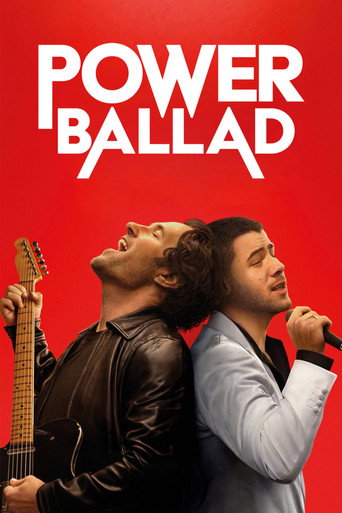
Thirty-nine films are built around music, and they cover a good deal of ground. The Commitments (1991), directed by Alan Parker from the novel by Roddy Doyle, is set on the north side of Dublin, where a young man with large ambitions and small means assembles a band to play American soul music. Parker cast unknown young musicians, and the performances of songs made famous by Wilson Pickett and Otis Redding are the real thing. The Irish director John Carney has made a career of films in which music mends something. Flora and Son (2023) is about a single mother in Dublin who rescues a guitar from a skip for her teenage son and ends up taking lessons herself, by video call, from a songwriter in Los Angeles. Power Ballad (2026) pairs a wedding singer with a former boy-band star.
The dance film is represented by Footloose (1984), in which a boy from Chicago moves to a small town where dancing has been banned and sets about changing the rule; Kevin Bacon became a star, and the title song has been played at parties ever since. Staying Alive (1983) continues the story of a famous disco dancer on Broadway, and Mao’s Last Dancer (2009) tells the true story of Li Cunxin, taken from a village in Shandong at eleven to train at the Beijing academy, who became a principal dancer in Houston. Roll Bounce (2005) is set among the roller-skating crews of Chicago in the summer of 1978, and Drumline: A New Beat (2014) among the marching bands of the American South.
Classical music and the stage have their films. A Late Quartet (2012) follows the four members of a celebrated string quartet in New York, played by Christopher Walken, Philip Seymour Hoffman, Catherine Keener and Mark Ivanir, in the season when the cellist learns that he will have to stop playing. Maria (2024) imagines the last week in the life of the soprano Maria Callas in Paris, with Angelina Jolie. De-Lovely (2004) tells the life of the songwriter Cole Porter through his own songs, and The Last Five Years (2014) is a musical for two voices, Anna Kendrick and Jeremy Jordan, about a marriage told from both ends at once. Grease Live (2016) is a television staging of the famous musical, performed in one evening before an audience.
Other films find music in unexpected places. True Stories (1986), directed by David Byrne of the group Talking Heads, is a tour of an imaginary Texas town in the week of its anniversary, with songs. Lisbon Story (1994), by Wim Wenders, follows a sound recordist through the old quarters of Lisbon and features the Portuguese group Madredeus. Duets (2000) is a comedy of the karaoke circuit, Danny Collins (2015) stars Al Pacino as an ageing singer who receives a letter written to him forty years before by John Lennon, and Rudderless (2014) is about a father who finds the songs his son left behind. Like Sunday, Like Rain (2014), Sparkle (2012), Find Me Falling (2024) and Lovestruck: The Musical (2013) complete the list.
True stories
Twenty-four films are drawn from real lives. Erin Brockovich (2000), directed by Steven Soderbergh, is the best known. Brockovich was an unemployed mother of three who talked her way into a clerical job at a small law office in California and, sorting a box of property files, noticed medical records that had been filed in the wrong place. Her investigation of contaminated water in the town of Hinkley led to the largest settlement of its kind in American history. Julia Roberts won the Academy Award for the part, and the film remains a model of how to make a legal case exciting.
The Boy Who Harnessed the Wind (2019), written and directed by the actor Chiwetel Ejiofor, is set in Malawi in 2001. William Kamkwamba is thirteen when drought ruins the harvest and his family can pay for school fees only until the term ends. Reading in the school library, he works out how to build a windmill from a bicycle, scrap and blue gum trees, to drive a pump and water the fields. It is a film to watch with children old enough to follow it. Temple Grandin (2010) tells the story of the scientist who, as a young woman with autism in the 1960s, used her unusual way of seeing to redesign the handling of livestock across America; Claire Danes gives a remarkable performance.
Recent business history has produced two sharp comedies. BlackBerry (2023) tells how a small Canadian firm invented the first telephone that could send messages properly and, within a few years, lost its lead. Dumb Money (2023) recalls the weeks in 2021 when thousands of small investors, following a man who posted videos from his basement, drove up the shares of a chain of video-game shops. The Beanie Bubble (2023) does the same for the soft toys that every child collected in the 1990s. All three use strong language and suit teenagers and adults.
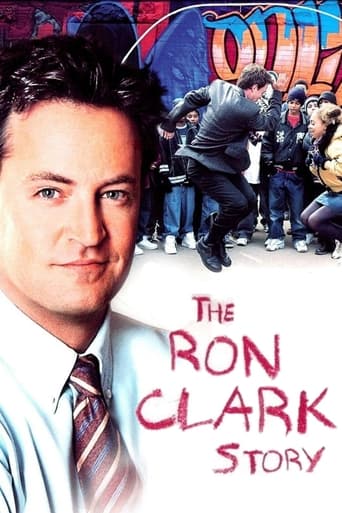
Others in the list include Men of Honor (2000), about Carl Brashear, the first African American master diver in the United States Navy, with Cuba Gooding Jr. and Robert De Niro; Ali (2001), with Will Smith as the heavyweight champion through the ten most eventful years of his life; Against the Ice (2022), about two Danish explorers left on the coast of Greenland in 1909; The Ron Clark Story (2006), with Matthew Perry as a teacher who moves from a small town to a school in Harlem; Grace of Monaco (2014), Southside with You (2016), which follows a young lawyer named Barack Obama on a first date in Chicago, and The End of the Tour (2015), about five days of conversation between a reporter and the novelist David Foster Wallace.
School and youth
Forty-four films are about being young, and the list begins with one that defined the subject. The Breakfast Club (1985), written and directed by John Hughes, takes place on one Saturday in the library of a high school near Chicago, where five pupils who are strangers to one another, an athlete, a scholar, a rebel, a popular girl and a loner, are serving a day of detention. By the afternoon they have found out how much they share. The film is frank in its language and is best for viewers of fourteen and over, and forty years on it still seems to know exactly how it feels to be sixteen.
Gentler films follow in its path. Stargirl (2020), from the novel by Jerry Spinelli, is about a quiet boy in an Arizona town and the girl who arrives at his school with a ukulele and a complete indifference to what anyone thinks. Troop Zero (2019), set in Georgia in 1977, follows a girl who dreams of space and gathers a troop of misfits to win a place on a recording to be sent to the stars. The Great Gilly Hopkins (2015), from the novel by Katherine Paterson, is about a sharp-tongued foster child and the woman who refuses to give up on her, played by Kathy Bates. That's What I Am (2011) recalls a California classroom in 1965 and a teacher, played by Ed Harris, who pairs the school's brightest boy with its most teased.
Television films for younger viewers are a strength of the list. Prom Pact (2023) follows a studious girl who needs a favour from the most popular boy in school. The Swap (2016) has a gymnast and an ice-hockey player wake up in each other's lives, Rags (2012) retells Cinderella with a boy who sings, and A Cinderella Story: Starstruck (2021) sends a farm girl to a film set. Best Player (2011), Big Time Movie (2012), Johnny Tsunami (1999), about a young surfer from Hawaii who has to learn to snowboard, Malibu Rescue: The Next Wave (2020) and The Little Rascals Save the Day (2014) are for the same audience, as are Bratz (2007) and The Clique (2008).
For older teenagers there are Chemical Hearts (2020), Winter Spring Summer or Fall (2024), in which two students meet four times across a year, See You on Venus (2023), How to Date Billy Walsh (2024), Wildflower (2023), about a girl who has grown up looking after her parents, and Strike! (1998), set in a girls' boarding school in 1963 that is about to merge with a boys' academy. Armageddon Time (2022), by James Gray, is a serious and personal film about a boy in New York in 1980 and a friendship that his family fails to protect.
Family films
Seventy films turn on a family. Dear Frankie (2004) is among the best loved. Frankie is nine, deaf, and has moved from town to town in Scotland with his mother all his life; she has told him that his father is away at sea and writes the father's letters herself. When the ship she invented turns out to be real and is due in port, she hires a stranger, played by Gerard Butler, to be the father for a day. Emily Mortimer plays the mother, and the film earns every one of its tears. Foster (2011) is a comedy about a couple who wish to adopt and the small boy in a suit who arrives on their doorstep, and Ezra (2024) follows a father and his son, who has autism, on a drive across America.
Nebraska (2013), by Alexander Payne, is filmed in black and white on the plains of the Midwest. An old man is convinced that he has won a million dollars in a magazine promotion and sets out to walk to the office to collect it; his son, unable to talk him out of it, agrees to drive him, and the journey takes them through the town where the father grew up. Bruce Dern and June Squibb are wonderful. Nowhere Special (2020) is about a window cleaner in Belfast who is looking for a new family for his small son, and Our Friend (2019) about the friend who moves in to help a couple through an illness. These are serious films, tenderly made, for teenagers and adults.
Weddings bring families together in Father of the Bride (2022), which moves a well-known story to a Cuban American family in Miami, with Andy Garcia and Gloria Estefan. Here Today (2021) stars Billy Crystal as a comedy writer whose memory is beginning to fail and Tiffany Haddish as the singer who becomes his friend. Goodbye June (2025), directed by Kate Winslet, gathers four grown children around their mother, played by Helen Mirren, at Christmas, and The Unlikely Pilgrimage of Harold Fry (2023) follows a retired man, played by Jim Broadbent, who sets out to post a letter and keeps walking for five hundred miles.
Quiet dramas
Some of the most admired films in the catalogue are quiet ones. Paterson (2016), by Jim Jarmusch, follows a man named Paterson who drives a bus in the town of Paterson, New Jersey, and writes poems in a notebook in his lunch hour. Each day of his week is much like the last: the walk to the depot, the passengers' conversations, supper with his wife, who has a new enthusiasm every evening, the dog, the walk to the corner bar. Adam Driver plays him with complete calm, and by the end the small variations in his routine have come to seem like events. It is a film about attention, and it leaves most viewers looking at their own week a little differently.
Paris, Texas (1984), directed by Wim Wenders from a script by Sam Shepard, opens with a man walking out of the desert in a red cap. He has been missing for four years; his brother fetches him home to Los Angeles, where his small son is living, and the two of them eventually set out to find the boy's mother. Harry Dean Stanton gives the performance of his life, the guitar of Ry Cooder plays over the empty landscapes, and the film won the highest prize at Cannes. Frances Ha (2013), by Noah Baumbach, is a comedy in black and white about a dancer of twenty-seven in New York whose best friend moves out, played by Greta Gerwig, who wrote it with him.
Work and its loss are the subject of The Company Men (2010), in which three managers at a shipbuilding firm near Boston lose their jobs in the same year, and of Brad's Status (2017), in which a father taking his son to visit universities measures his own life against those of his old classmates. The Last Black Man in San Francisco (2019) is about a young man who tends, uninvited, the house his grandfather built, and My Salinger Year (2020) about a graduate who takes a job answering the letters sent to a famous and reclusive novelist. Stanley & Iris (1990), with Jane Fonda and Robert De Niro, is about a factory worker who teaches a colleague to read.
Three films by the Australian director Peter Weir and his contemporaries stand a little apart. Picnic at Hanging Rock (1975) is set on St Valentine's Day in 1900, when a party of schoolgirls goes on an outing to a volcanic outcrop in the bush and three of them walk up among the rocks; it is a mystery that the film, famously, leaves open, and its sunlit strangeness has haunted viewers for fifty years. The Mosquito Coast (1986) stars Harrison Ford as an inventor who moves his family from Massachusetts to the jungle of Central America to build a perfect life. Interstate 60 (2002) is an American fable of the road, in which a young man is sent by a mysterious stranger along a highway missing from every ordinary map.
The fantastic
Thirteen films have a touch of fantasy or science about them. Ruby Sparks (2012) is about a young novelist who writes a character so vividly that she appears in his kitchen, and discovers that whatever he types about her comes true; Zoe Kazan wrote the script and plays Ruby. Seeking a Friend for the End of the World (2012) puts Steve Carell and Keira Knightley on the road together in the last weeks before an asteroid arrives, and makes of it a gentle comedy. Nine Days (2021) imagines a man in a lonely house who interviews new souls and chooses which of them will be born. Swan Song (2021), with Mahershala Ali, Clara (2018), about an astronomer searching for distant planets, Frequencies (2013), Above the Shadows (2019) and A Big Bold Beautiful Journey (2025), with Colin Farrell and Margot Robbie, are quiet romances with an idea at their centre. Vesper (2022) is a beautifully designed tale of a girl of thirteen in a future where seeds are the most precious thing on earth.
The older fantasies are lighter. Date with an Angel (1987) drops an angel with a broken wing into the swimming pool of a young man on the eve of his wedding. The Heavenly Kid (1985) sends a rebel of the 1960s back to earth to guide a shy schoolboy, Dream a Little Dream (1989) swaps an old man and a teenager, and Prelude to a Kiss (1992), with Alec Baldwin and Meg Ryan, turns on a kiss from a stranger at a wedding.
Sport
Seventeen films are set in the world of sport. The Beautiful Game (2024) follows the England team to the Homeless World Cup in Rome, a real tournament for players who have lived on the streets, with Bill Nighy as the manager. Blue Chips (1994) stars Nick Nolte as a college basketball coach tempted to bend the rules, with several famous players in the cast, and The Air Up There (1994) sends another coach, Kevin Bacon, to Kenya in search of a player. The Cutting Edge: Going for the Gold (2006) and The Cutting Edge: Fire & Ice (2010) are romances of figure skating, and Sidelined 2: Intercepted (2025) continues a romance between a dancer and an American football player. Bleed for This (2016) tells the true story of the boxer Vinny Pazienza, who returned to the ring after a serious road accident, and Against the Ropes (2004) is based on the career of a woman who became a boxing manager.
Films made for television
A good number of the films on BingeBang were made for television, and they deserve a word of their own. The television romance is a form with firm rules: a capable heroine, a setting worth visiting, an obstacle that can be cleared in ninety minutes, and an ending that is expected by all and pleases everyone. Love on Safari (2018) sends a web designer from Chicago to South Africa, where she has inherited a wildlife reserve. Midnight at the Magnolia (2020) concerns two radio presenters, friends since childhood, who pretend to be a couple for a New Year broadcast. My Perfect Romance (2018), Accidentally Engaged (2016), Date with Love (2016), This Little Love of Mine (2021), That's Amor (2022), Choose Love (2023) and The Way to the Heart (2024), about a chef who goes home to rediscover why she cooks, are of the same family.
The royal romance is a branch of the form. William & Kate (2011) retells the university courtship of the Prince and Princess of Wales, and Harry & Meghan: A Royal Romance (2018) the meeting of the Duke and Duchess of Sussex. Television has also produced some of the best literary adaptations in the catalogue, the two Jane Austen films among them, and several true stories: Temple Grandin and The Ron Clark Story were both made for the small screen and both won major awards.
Faces to follow
One of the pleasures of a guide like this is following an actor from film to film. Jane Fonda appears in five: On Golden Pond, California Suite, Stanley & Iris, Our Souls at Night and Book Club: The Next Chapter, a span of forty-five years. Kevin Bacon is in Footloose, The Air Up There and He Said, She Said. Annette Bening is in Danny Collins, The Face of Love, Hope Gap and The Women, and Bill Nighy in Hope Gap and The Beautiful Game. Meg Ryan is in Prelude to a Kiss, The Women and Against the Ropes, and Al Pacino in Danny Collins and Author! Author!, a comedy of 1982 about a playwright left in charge of five children.
Among younger actors, Zoe Kazan is in Ruby Sparks and The Big Sick, Paul Dano in Ruby Sparks and Dumb Money, and Camila Mendes in Upgraded and Música. Ethan Hawke and Julie Delpy are together in Before Sunrise and Before Sunset. Ralph Fiennes stars in Onegin and directed and stars in The Invisible Woman, about Charles Dickens. Robert De Niro is in Men of Honor and Stanley & Iris, and Emma Roberts, Lucy Hale, Bella Thorne and Bailee Madison each lead one or two of the lighter romances.
Directors can be followed in the same way. Wim Wenders made Paris, Texas and Lisbon Story, Peter Weir Picnic at Hanging Rock and The Mosquito Coast, Richard Linklater the two Before films, and John Carney Flora and Son and Power Ballad. Herbert Ross directed both Footloose and California Suite, and Christopher Guest appears in This Is Spinal Tap and directed Waiting for Guffman. Francis Ford Coppola's One from the Heart (1982), a love story filmed entirely on stylised studio sets of Las Vegas, is one of the curiosities of the list, and his wife Eleanor Coppola directed Paris Can Wait.
A first month
A newcomer could spend a first month with BingeBang as follows. In the first week watch Chef, which puts everyone in a good mood, and then Erin Brockovich. In the second week take the two Linklater films on consecutive evenings, Before Sunrise and Before Sunset. In the third week try a music film and a quiet one, The Commitments and Paterson. In the fourth, watch The Boy Who Harnessed the Wind with the family and Nebraska afterwards. That makes eight films, and by the end the lists of comedy, romance, music, true stories and drama will each have a familiar landmark.
Households with children can follow a different path. Troop Zero, Stargirl, The Great Gilly Hopkins, Johnny Tsunami, The Swap, Rags, The Little Rascals Save the Day and John Mulaney & The Sack Lunch Bunch, a cheerful musical special for children and their parents, are all suitable for viewers from about eight years old. Dear Frankie, Temple Grandin, The Ron Clark Story and Mao’s Last Dancer suit children a little older, and Footloose and Grease Live are good choices for a family evening with teenagers.
Places on screen
A good film takes its viewers somewhere, and the catalogue covers a wide map. Vienna and Paris belong to Jesse and Céline. Lisbon, with its trams and steep white streets, is the real subject of Lisbon Story. Rome is shared by the four tales of To Rome with Love, the football pitches of The Beautiful Game and the holiday of Book Club: The Next Chapter; Tuscany has You, Me & Tuscany, and the south of France has the long, greedy drive of Paris Can Wait, in which an American wife is taken from Cannes to Paris by a Frenchman who stops at every good restaurant on the way.
Britain and Ireland are well served. Dublin appears twice, in the soul revue of The Commitments and the guitar lessons of Flora and Son. The south of London is shown at its most colourful in Rye Lane, Cornwall in Ladies in Lavender, the Sussex coast in Hope Gap, and the whole length of England in the walk of The Unlikely Pilgrimage of Harold Fry, from Devon to the Scottish border. Dear Frankie is set in a port on the west coast of Scotland, and Nowhere Special in Belfast.
America is seen mostly away from its great cities: the plains of Nebraska, the desert and the Houston skyline of Paris, Texas, the small Colorado town of Our Souls at Night, the New England lake of On Golden Pond, the Georgia woods of Troop Zero and the long road from Miami to Los Angeles in Chef, with stops in New Orleans and Austin. Further afield, The Boy Who Harnessed the Wind was filmed in Malawi in the language of the village where its story took place, Mao’s Last Dancer moves between Shandong, Beijing and Texas, Love on Safari visits a reserve in South Africa, and Against the Ice crosses the frozen coast of Greenland by dog sledge.
Choosing by mood
The lists sort the films by kind, but an evening is more often chosen by mood, and a few suggestions may help. For a film that leaves the whole room cheerful, try Chef, Shirley Valentine, Waiting for Guffman, Roald Dahl's Esio Trot or Book Club: The Next Chapter. For a love story with good talk in it, try Before Sunrise, Rye Lane, Set It Up or Already Tomorrow in Hong Kong, in which two Americans meet twice, a year apart, in the streets of Hong Kong. For something to sing along with, The Commitments, Footloose and Grease Live are the obvious choices.
For a quiet evening alone, Paterson, Paris, Texas, Lisbon Story and Frances Ha reward close attention. For a film that makes a good argument afterwards, BlackBerry, Dumb Money and The End of the Tour all leave plenty to discuss. For a gentle cry, there are Dear Frankie, Our Friend, Nowhere Special and Here Today. And for a rainy Sunday afternoon with an empty diary, the television romances were made for exactly that: Love on Safari, Midnight at the Magnolia and The Way to the Heart ask very little and deliver what they promise.
Period settings have their own appeal. The Go-Between and Picnic at Hanging Rock are both set in 1900, at opposite ends of the earth. Ladies in Lavender belongs to the 1930s, and the middle of the century is recalled by Strike!, That's What I Am and Troop Zero, and the 1980s by Armageddon Time. The Invisible Woman (2013) is set in the 1850s, when Charles Dickens, at the height of his fame, met a young actress, and Albert Nobbs (2011), with Glenn Close, in a Dublin hotel of the 1890s.
How the films were chosen
The catalogue began with two searches of TMDB for English-language films: one for comedies, romances and dramas that had been rated by at least a hundred and fifty viewers, and one for family films, music films, television films and lesser-known romances. Together they returned close to five thousand titles, of which rather more than half already belonged to sister guides. Every title on BingeBang is unique to this site. Thrillers, horror films, crime stories and films of armed conflict were set aside at once, and the remainder was read through by hand, story by story and poster by poster. Comedies made for adult audiences were removed, as were stories centred on cruelty, and 176 remained.
A few of the films kept use strong language or deal with serious subjects and are best suited to older teenagers and adults: The Breakfast Club, Erin Brockovich, The Big Sick, BlackBerry, Paris, Texas and Nowhere Special among them. The descriptions on their pages make the tone clear. Scores, cast lists and descriptions come from TMDB, and the Watch now links are provided by JustWatch, which records where each film is officially available country by country.
Using BingeBang
Search is the quickest route to a film whose name you know. Begin to type in the rounded field at the right of the header and matches appear under it at once, each with its year. The Movies page lists the whole catalogue with the most popular titles first, and the A-Z page sets all 176 in alphabetical order, one letter to a page. The rows on the home page are a good way to wander, and the round arrow at the end of each heading opens its full list.
My Space is the name BingeBang gives to your own corner of the site. It holds My List, the films you have marked with the Add to My List button on their pages. The list lives in your browser and stays there: BingeBang has neither accounts nor passwords, the films are waiting when you return on that device, and the export button turns them into a file that a second device can import. Many people use it as a queue, adding three or four films on a Monday and working through them by the weekend.
The help pages explain each part of the site in a few lines. How to watch describes the path from a poster to an official service, Finding titles covers the search and the lists, and My List explains the list. There are short guides to comedy, romance, drama, family films, music, true stories, school films, sport, the fantastic, the classics and new films, and a page that goes year by year.
Questions and answers
Questions
What is BingeBang?
BingeBang is a guide to 176 English-language films, made between 1971 and 2026 and chosen for the whole household. Each film page gives the story, year, director and cast, and a Watch now button that leads to the official services carrying the film in your country.
Which film should I watch first?
Start with Chef, The Breakfast Club or The Boy Who Harnessed the Wind. The first-month plan in the guide suggests an order for eight films.
Is the catalogue suitable for families?
Yes. Every film was screened by hand, and the selection keeps to comedy, romance, music, family stories and quiet drama. A few films use strong language or treat serious subjects, as the guide explains.
Are there films for children?
Yes. Troop Zero, Stargirl, Johnny Tsunami, The Swap and Rags are among those suitable from about eight years old.
Are there true stories?
Yes. Twenty-four films are drawn from real lives, among them Erin Brockovich, Temple Grandin and The Boy Who Harnessed the Wind.
Are television films included?
Yes. A number of romances, family films and literary adaptations made for television sit beside the films made for the cinema.
How does My List work?
Press Add to My List on any film page. The list is kept by your own browser, free of charge, and the My Space button in the header opens it.
Does BingeBang host films or downloads?
BingeBang is a guide only. Every Watch now button leads to an official, licensed service.
